The societal shifts shaped by the rise of gambling culture
Gambling in Popular Media
The rise of gambling culture has significantly influenced popular media, manifesting in movies, television shows, and online content. Films such as “Casino Royale” and series like “Breaking Bad” have not only depicted gambling as a thrilling pastime but have also explored the deeper psychological implications of addiction and risk-taking behavior. These narratives often glamorize the lifestyle associated with gambling, showcasing both the thrill of winning and the potential devastation of loss. Furthermore, many viewers are now more aware of the exciting world of online pokies, which adds another layer to the conversation.

Television shows often highlight gambling as a central theme, intertwining it with character development and moral dilemmas. Characters may struggle with their decisions around gambling, reflecting real-life challenges that many face. This portrayal serves to normalize gambling within society, creating a perception that it is an acceptable, even desirable, activity. By presenting gambling in this light, popular media has contributed to a shift in societal attitudes, leading many to view it as a form of entertainment rather than a potential addiction.
Online platforms and streaming services have further amplified gambling culture by providing easy access to gambling-related content. With the proliferation of poker tournaments and esports betting showcased on streaming sites, audiences are exposed to gambling in real-time. This accessibility has created a new generation of gamblers who are more comfortable with the concept, altering their perceptions of risk and reward. The normalization of gambling through these channels illustrates a significant societal shift towards acceptance of gambling as part of mainstream culture.
The Evolution of Gambling Regulations
The evolution of gambling regulations has mirrored the rise of gambling culture, reflecting changing societal attitudes toward the practice. In many jurisdictions, gambling was once heavily restricted, viewed as morally questionable. However, with the growing acceptance of gambling as a legitimate form of entertainment, many governments have begun to relax regulations, allowing for the proliferation of casinos and online gambling platforms. This shift indicates a broader acceptance of gambling in society, moving it from the shadows into the public eye.
As regulations change, so too does the approach to responsible gambling. Governments and organizations have recognized the need to implement measures that promote safe gambling practices. Initiatives aimed at educating the public about the risks associated with gambling have emerged, highlighting the importance of setting limits and recognizing signs of problem gambling. This evolution demonstrates a growing understanding that while gambling can be a form of entertainment, it carries potential risks that need to be managed responsibly.
The changing landscape of gambling regulations also reflects an ongoing dialogue about social responsibility and economic benefit. Many regions have embraced gambling as a source of revenue, particularly in the wake of economic challenges. This economic perspective has led to the development of more comprehensive gambling policies, balancing the interests of revenue generation with the need for consumer protection. This multifaceted approach to regulation showcases the complexities of gambling culture and its integration into modern society.
Gambling and Social Interaction
The rise of gambling culture has transformed social interactions, creating new environments for people to connect. Traditional social settings, such as bars and community centers, have evolved into venues that prominently feature gambling activities, fostering a sense of camaraderie among participants. Whether it’s a poker night with friends or a trip to a casino, these experiences can enhance social bonds, as individuals share in the excitement and tension of gambling.
However, the social aspect of gambling is not without its complexities. While some individuals may find community and support in gambling activities, others may experience isolation or alienation. The dual nature of gambling as a social lubricant and a potential source of addiction can create tensions within relationships. Families and friends may struggle to navigate the effects of gambling on their dynamics, as the activity can both unite and divide those involved.
Additionally, the digital landscape has further expanded the ways in which gambling influences social interaction. Online gambling platforms enable players to connect across vast distances, forming communities based on shared interests in games or betting strategies. While this virtual interaction can foster a sense of belonging, it also raises questions about the impact of online gambling on interpersonal relationships and mental health. Understanding this balance is crucial as society continues to grapple with the evolving nature of gambling culture.
The Impact on Mental Health
The rise of gambling culture has profound implications for mental health, with varying impacts on individuals and communities. For some, gambling may serve as a form of escapism, providing temporary relief from stress or anxiety. However, the thrill of gambling can quickly turn into a compulsion, leading to detrimental effects on mental well-being. Problem gambling is increasingly recognized as a behavioral addiction, and its prevalence highlights the need for greater awareness and resources to support those affected.
Research has shown a correlation between gambling and a range of mental health issues, including depression and anxiety. Individuals struggling with gambling addiction often experience feelings of guilt, shame, and hopelessness, compounding existing mental health challenges. As society becomes more aware of these connections, there is a growing call for integrated treatment approaches that address both gambling behavior and mental health issues. This holistic perspective is essential to supporting those affected by gambling addiction.
Furthermore, the stigma associated with gambling addiction can hinder individuals from seeking help. Many people may feel embarrassed or ashamed to admit they have a problem, leading to a cycle of isolation and despair. Increasing public education and advocacy efforts aimed at destigmatizing gambling addiction are crucial in promoting understanding and facilitating access to treatment. By addressing these mental health concerns, society can work towards a more compassionate approach to gambling and its associated challenges.
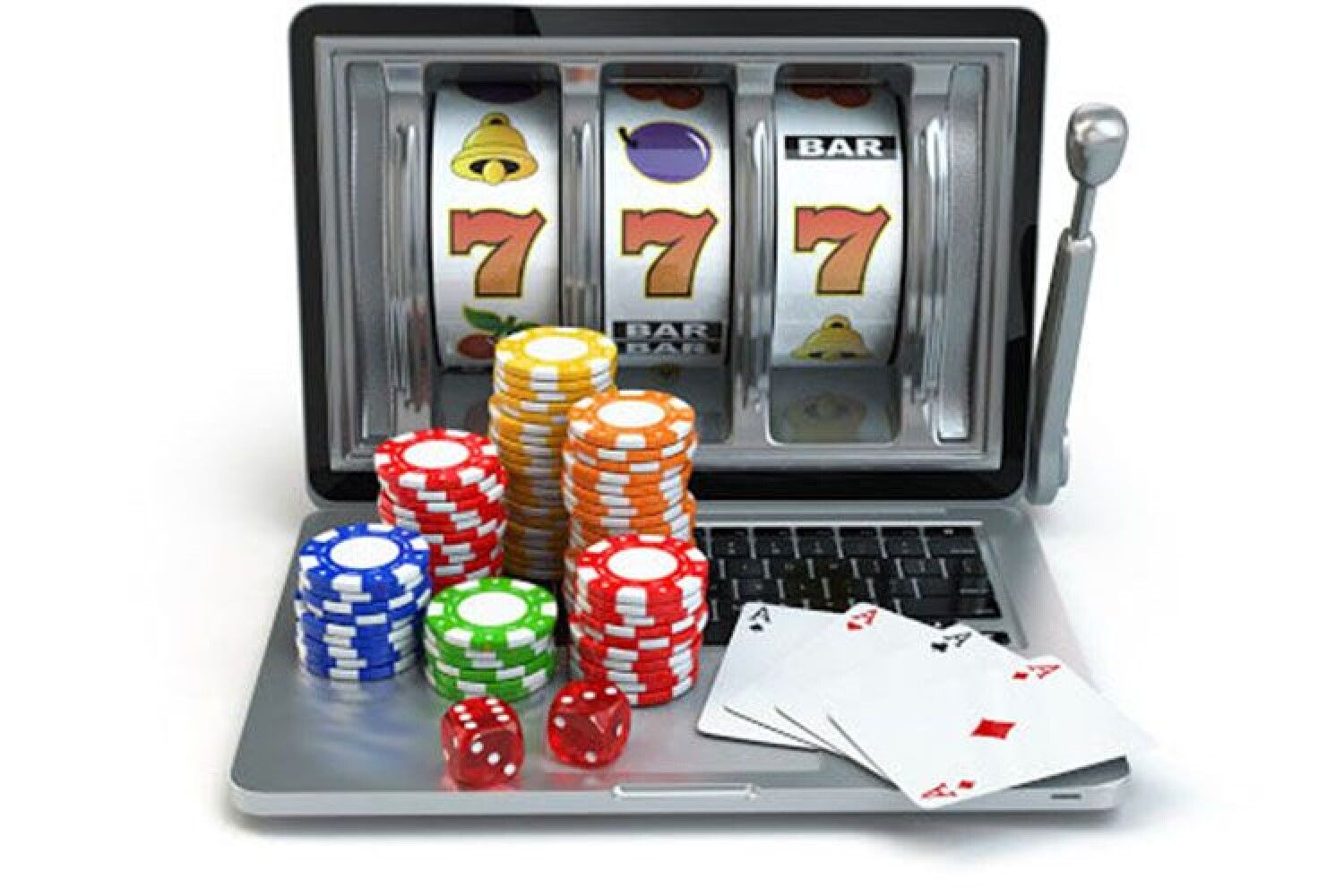
Your Destination for Gambling Insights
Our website stands as a premier online destination for those interested in gambling culture, providing valuable resources and insights for players. We offer comprehensive reviews and expert ratings of top online casinos, focusing on real money slots, generous bonuses, and secure payment methods. Our aim is to guide players through the vast landscape of online gambling, ensuring they make informed decisions and enjoy a safe gaming experience.
With user-friendly navigation and detailed insights, we empower enthusiasts to explore the latest offerings in online gambling. Our platform serves as a hub of information, helping players maximize their gaming potential while being aware of responsible gambling practices. Whether you are a seasoned player or new to the world of online casinos, our resources are tailored to meet your needs and enhance your experience.
Join us as we navigate the evolving landscape of gambling culture. Our commitment to providing accurate, relevant information ensures that you stay informed about the latest trends and developments in the industry. Together, we can foster a community of responsible gamblers who enjoy the excitement of gaming while prioritizing safety and well-being.