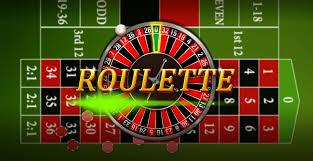
The game of roulette has fascinated players for centuries, drawing them into its world of chance, anticipation, and excitement. Unlike most gaming platforms, where players often flock to review and community sites such as roulette not on gamspot https://littlemisspiggies.co.uk, roulette requires a different kind of approach and understanding. In this article, we’ll explore the allure of roulette, its various formats, and strategies players can use—without being confined to typical gaming news sites.
The Origins of Roulette
Roulette has its roots in 18th century France, deriving its name from the French word meaning “little wheel.” It was originally played with a 36-number wheel and the addition of a single zero. The game quickly gained popularity and spread across Europe and the United States, evolving over time into various versions, including French, American, and European roulette. Each version has its own rules, odds, and house edges, appealing to a diverse range of players.
Understanding the Game Mechanics
At its core, roulette is a game of probability where players place bets on where a ball will land on a rotating wheel. The wheel consists of numbered pockets, alternating between red and black, along with one or two green pockets for the zeros. Players can wager on a variety of outcomes, from specific numbers to colors, odds/even, or ranges of numbers. The simplicity and array of betting options make roulette universally appealing.
Exploring Game Variants
There are several popular variants of roulette, each with unique rules and betting structures:
- European Roulette: Features 37 pockets (1-36 and a single 0). It has the lowest house edge at about 2.7%, making it favorable for players.
- American Roulette: Has 38 pockets (1-36, a 0, and a 00). This variant comes with a higher house edge of around 5.26% due to the extra zero.
- French Roulette: Similar to European roulette but includes additional rules, such as ‘La Partage’ and ‘En Prison,’ which can reduce the house edge even further under certain circumstances.
- Mini Roulette: A simplified version featuring just 13 pockets (0-12). While appealing for beginners, it has a higher house edge compared to its larger counterparts.

Strategies for Success
Despite roulette being primarily a game of chance, players often adopt various strategies to improve their odds. Here are a few popular approaches:
- The Martingale System: This system suggests doubling your bet after each loss in hopes of recovering previous losses and gaining a profit. While potentially effective in the short term, it can be risky and requires a sizable bankroll.
- The Fibonacci Sequence: Based on the famous mathematical sequence, this strategy involves betting according to the Fibonacci numbers after a loss. It’s less aggressive than the Martingale system but still requires mindfulness of your bankroll.
- Flat Betting: A simple approach where players bet the same amount on each spin. This method helps manage your bankroll and minimizes the risk of significant losses.
- The D’Alembert Strategy: This system suggests increasing your bet by one unit after a loss and decreasing it by one unit after a win, striving for a balanced approach over time.
The Role of Online Casinos
In recent years, the advent of online casinos has transformed how people access and play roulette. Players now have the convenience of enjoying their favorite game from the comfort of their homes, with countless online platforms offering a wide range of roulette options. Many online casinos also provide live dealer games that recreate the experience of a brick-and-mortar casino, including interaction with real dealers.
Responsible Gaming Practices
While roulette can be thrilling, it’s essential to approach the game responsibly. Here are some practices to ensure a healthy gaming experience:
- Set a budget: Decide on a specific amount to gamble with and stick to it. Never chase losses or bet more than you can afford.
- Know when to stop: Recognize your limits—know when it’s time to walk away, especially after a series of losses.
- Educate yourself: Understanding the game’s rules, odds, and strategies can enhance your experience and inform your betting decisions.
- Take breaks: Consider taking regular breaks to avoid fatigue or emotional decision-making.
The Social Aspect of Roulette
Roulette is not just a game of chance; it’s often a social experience. Players gather around the roulette wheel in casinos, sharing in the excitement and ambiance of the gaming floor. This social interaction can enhance the overall gaming experience, creating a sense of community among players. Online casinos also strive to mimic this atmosphere with live dealer games that allow players to interact through chat functions.
Conclusion
Roulette continues to be a captivating game that offers players a blend of luck, strategy, and social interaction. While platforms like GameSpot may provide insights into video games, exploring roulette beyond standard gaming reviews opens up a rich world filled with unique strategies, game variants, and social experiences. Whether you’re a seasoned player or a curious newcomer, embracing the game’s intricacies and understanding its dynamics can lead to a more rewarding experience. Remember to play responsibly and enjoy the ride!