Exploring the cultural significance of casinos in modern society
The Historical Context of Casinos
Casinos have a rich history, tracing their origins back to ancient civilizations that utilized games of chance for both entertainment and social interaction. From the Roman Empire, where dice games were popular among soldiers, to the lavish gaming houses of 17th-century Italy, the evolution of casinos reflects societal attitudes toward gambling. These establishments often served as social hubs, where individuals could gather to connect, exchange ideas, and enjoy entertainment, laying the groundwork for the modern casino experience. Today, new players can easily explore exciting options, including Pinco Casino, which offers engaging online experiences.
In the 19th century, casinos began to formalize into organized establishments, particularly in Europe. Cities like Monte Carlo became synonymous with luxury and gambling, attracting the elite and shaping public perceptions of casinos as glamorous venues. This transformation was pivotal, establishing casinos not just as places to gamble but as centers of culture and social engagement, influencing the way society viewed risk and reward.
The cultural significance of casinos further deepened in the 20th century, particularly in the United States. The legalization of gambling in states like Nevada marked a shift toward mainstream acceptance, and Las Vegas emerged as a global symbol of gambling culture. This shift not only transformed local economies but also integrated casinos into the fabric of American entertainment, influencing music, film, and popular culture, and illustrating the interconnectedness of gambling and societal values.
Casinos as Social Gathering Places
Modern casinos function as vibrant social hubs, offering more than just gambling. They provide a space for individuals to gather, celebrate, and engage in shared experiences. With the addition of restaurants, bars, and entertainment shows, casinos attract a diverse clientele seeking interaction and community. This aspect of casinos highlights their role as a contemporary social space, where people from different backgrounds come together, transcending age, gender, and culture. In Canada, facilities like the Pinco Casino Canada further enhance these experiences with their dedication to customer satisfaction.
Moreover, casinos often host events such as tournaments, live music, and themed nights, fostering a sense of community among patrons. These gatherings not only enhance the casino experience but also create lasting memories and friendships. In many cases, regular visitors form connections, building a sense of belonging that enriches their lives and reflects the importance of social interaction in a digital age.
This social significance extends beyond leisure activities. For some, casinos serve as support systems, offering camaraderie and shared experiences that can alleviate feelings of isolation. This aspect is particularly crucial for marginalized groups who may find acceptance and community within these spaces. Casinos thus evolve into microcosms of broader societal dynamics, illustrating the complex interplay between entertainment, community, and social inclusion.
The Economic Impact of Casinos
Economically, casinos play a significant role in local and national markets. They create jobs, not only within the gaming sector but also in hospitality, security, and maintenance. The influx of tourists attracted by casinos stimulates local economies, benefiting businesses such as hotels, restaurants, and retail shops. This economic activity underscores the importance of casinos in supporting livelihoods and fostering regional development.
Furthermore, the taxation revenues generated by casinos contribute significantly to public funds, which can be utilized for education, infrastructure, and healthcare. In many regions, this financial impact is a pivotal argument for the legalization and expansion of gambling. The balance between economic benefits and social responsibilities remains a key discussion point, with stakeholders often debating the best ways to maximize positive outcomes for society.
However, while casinos contribute to economic growth, they also raise questions about the potential social costs of gambling. Issues such as addiction and problem gambling can have detrimental effects on individuals and families, leading to discussions about responsible gambling practices. Striking a balance between economic gains and social well-being is an ongoing challenge that shapes public policy regarding casinos.
The Influence of Technology on Gambling Culture
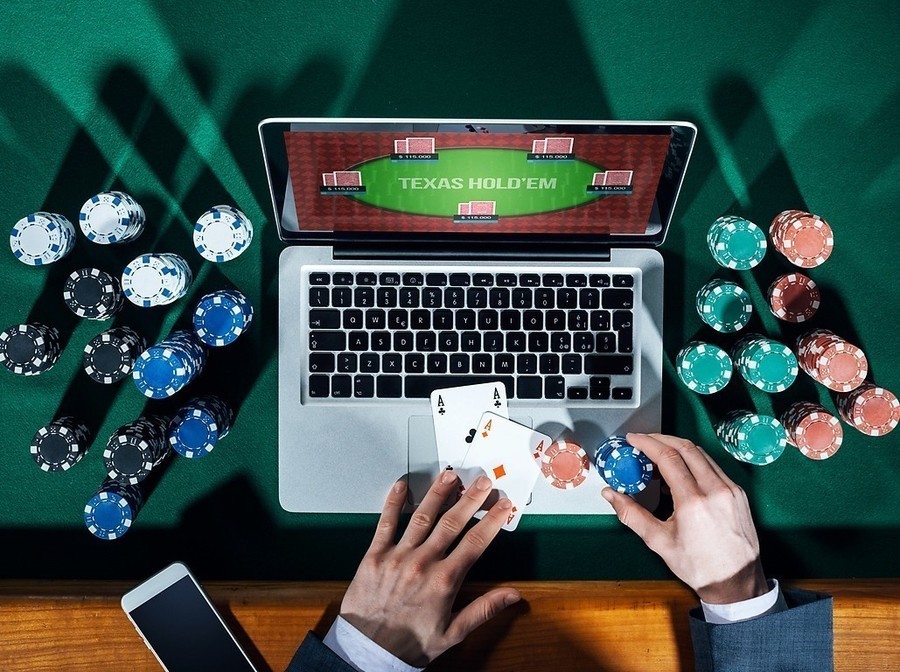
The advent of technology has significantly transformed the casino landscape, altering how people engage with gambling. Online casinos and mobile gaming platforms have democratized access to gambling, allowing individuals to participate from the comfort of their homes. This shift has expanded the reach of gambling culture, attracting a younger demographic and changing traditional perceptions of what a casino represents. Players now have platforms like Pinco Casino Online to enjoy their favorite games effortlessly.
Moreover, advancements in technology have introduced new forms of gaming, such as virtual reality experiences, which blend entertainment with immersive environments. These innovations not only enhance the gaming experience but also reshape the cultural significance of casinos by integrating them into modern digital lifestyles. The fusion of technology and gambling illustrates the adaptability of casino culture and its ability to resonate with contemporary audiences.
However, this evolution raises important questions about regulation and safety. As online gambling becomes more prevalent, issues related to cybersecurity, responsible gambling, and player protection have come to the forefront. Ensuring that the benefits of technological advancements are balanced with ethical considerations is crucial for maintaining the integrity of gambling culture in the digital age.
Casinos and Their Role in Contemporary Leisure
Casinos today are not merely places for gambling; they are multifaceted entertainment complexes that cater to a wide range of leisure activities. From luxurious dining options to vibrant nightlife, casinos provide comprehensive experiences that attract diverse clientele. This transformation has enabled casinos to become an integral part of the leisure industry, appealing to those who seek both excitement and relaxation.
In addition, the rise of integrated resorts has blurred the lines between gambling and leisure. These establishments offer a variety of amenities, including spas, shopping, and family-friendly attractions, making them appealing destinations for vacations and events. By diversifying their offerings, casinos have managed to attract individuals who may not be interested in gambling, thus broadening their cultural significance as inclusive entertainment venues.
The ability of casinos to adapt to changing consumer preferences has also influenced their cultural relevance. As society continues to evolve, the focus on creating unique experiences has led casinos to host cultural events, art exhibitions, and music festivals. This engagement with the arts and community initiatives reinforces their role as cultural landmarks, illustrating how casinos can contribute positively to the social fabric of their surroundings.

Pinco Casino: A Modern Gaming Experience
Pinco Casino is a premier online platform designed to cater to the modern Canadian player, offering a vast array of games that reflect the evolving landscape of gambling culture. With a strong focus on user experience, Pinco Casino provides a seamless interface for both beginners and experienced players, ensuring that everyone can navigate the exciting world of online gaming with ease.
Committed to player safety and responsible gambling, Pinco Casino features secure payment methods and robust support systems. This commitment to safeguarding players enhances the overall gaming experience and exemplifies the importance of ethical practices within the casino industry. By prioritizing player welfare, Pinco Casino aligns itself with the broader cultural significance of casinos as responsible social entities.
As an embodiment of modern gaming, Pinco Casino continues to innovate and adapt to player needs. With engaging bonuses and an extensive game catalog, it not only serves as a platform for entertainment but also as a reflection of the rich cultural tapestry surrounding casinos today. Through its dedication to excellence, Pinco Casino represents the future of gambling in a rapidly changing world.