Cultural contrasts in casino experiences around the world
Understanding Casino Cultures
The culture surrounding casinos varies significantly across the globe, influenced by local traditions, economic conditions, and social attitudes. For example, in the United States, casinos symbolize glamour and entertainment, often associated with the vibrancy of Las Vegas. This environment attracts tourists with themed resorts, elaborate shows, and an all-encompassing nightlife, where gambling is just one of many attractions. While exploring these options, many people discover Pikashow as a popular platform for streaming their favorite shows and events. Meanwhile, in countries like Japan, gambling is legal but heavily regulated, with pachinko parlors being a popular yet distinct alternative to traditional casinos.

In Europe, casino experiences also differ widely, with each country offering its unique flavor. In Monaco, for instance, the Monte Carlo Casino represents luxury and high-stakes gambling, attracting the wealthy elite. The atmosphere here is refined and exclusive, contrasting sharply with the more casual gaming environments found in the UK’s betting shops. Such differences highlight how cultural values shape the role of casinos within each society, from elite social venues to casual entertainment spots.
Moreover, cultural norms dictate gambling behavior. In some cultures, gambling is a communal activity, while in others, it may be viewed with suspicion or moral apprehension. Countries in the Middle East, for example, often have strict prohibitions against gambling due to religious beliefs. This has led to the emergence of underground gambling operations, revealing the tension between cultural values and the human inclination towards risk-taking and entertainment.
Casino Gaming Styles Worldwide
The gaming styles and preferences in casinos vary markedly between cultures. In the U.S., table games like blackjack and poker dominate, reflecting a culture of strategy and risk management. Slot machines, with their bright lights and sounds, also hold significant appeal, attracting players seeking quick thrills. This emphasis on fast-paced, high-energy gaming contrasts with places like France, where games such as baccarat are prevalent, often accompanied by a more subdued and formal atmosphere.
Asian countries exhibit unique gaming trends as well. In Macau, known as the “Gambling Capital of the World,” high-stakes games like baccarat draw massive crowds, particularly among high rollers from mainland China. This reflects a blend of tradition and modernity, where gaming is often viewed as a prestigious activity, central to social gatherings. Conversely, smaller countries like Singapore have embraced a more regulated approach, catering to both locals and tourists while promoting responsible gaming practices.
In parts of Latin America, such as Brazil and Argentina, casinos often serve as social hubs where people gather to enjoy not just gaming but also music, food, and dance. This blend of entertainment fosters a vibrant atmosphere, highlighting the social aspect of gambling in these cultures. The diversity in gaming styles across the globe exemplifies how regional preferences can influence the types of games offered and the overall casino experience.
The Role of Technology in Casino Experiences
Technology has transformed the way people engage with casinos, leading to a more immersive experience. Online casinos have gained immense popularity, especially during the pandemic, allowing players worldwide to enjoy their favorite games from the comfort of their homes. This shift has resulted in a booming market for mobile gaming apps, which cater to a tech-savvy generation that values convenience and accessibility. In places like the UK, online gambling has become a staple, changing the landscape of traditional gaming establishments.
In contrast, some cultures remain cautious about adopting online gambling. Countries with strict regulations often limit or prohibit online gaming, leading to a reliance on brick-and-mortar establishments. In Japan, for instance, although online gambling is limited, the popularity of mobile games related to gambling demonstrates a growing interest in integrating technology into the gaming experience. This illustrates the balancing act between embracing new technology and adhering to cultural norms.
Furthermore, the integration of virtual reality (VR) and augmented reality (AR) into casino gaming is on the rise. These technologies provide players with immersive experiences that mimic the feel of a physical casino, allowing them to engage in gameplay like never before. Countries like the United States are at the forefront of this innovation, with establishments investing heavily in tech upgrades to enhance customer experience, reflecting a cultural embrace of modern entertainment trends.
Social Impacts of Gambling Across Cultures
The social implications of gambling can be profound, shaping community dynamics and individual behaviors. In some cultures, gambling fosters social interaction and camaraderie, often serving as a catalyst for building relationships. For instance, in Italy, the lottery is a communal event that brings friends and family together, celebrating the possibility of winning while sharing in the excitement. This fosters a sense of belonging and togetherness that highlights the positive aspects of gambling.
Conversely, gambling can lead to negative societal impacts, such as addiction and financial distress. In cultures where gambling is heavily stigmatized, individuals who struggle with addiction may face social isolation and shame. For example, in Scandinavian countries, while gambling is legal and often normalized, there is an increasing focus on responsible gaming and mental health support to mitigate these issues. This cultural awareness reflects a growing understanding of the importance of addressing the challenges associated with gambling.
As casinos become more integrated into social fabric, the need for responsible gaming initiatives has gained importance globally. Countries like Canada and Australia emphasize educational programs and support services to combat gambling addiction. By fostering a culture of awareness and responsibility, these nations aim to create a balanced approach that enhances the enjoyment of gaming while addressing its potential pitfalls.
Exploring Casino Experiences Globally
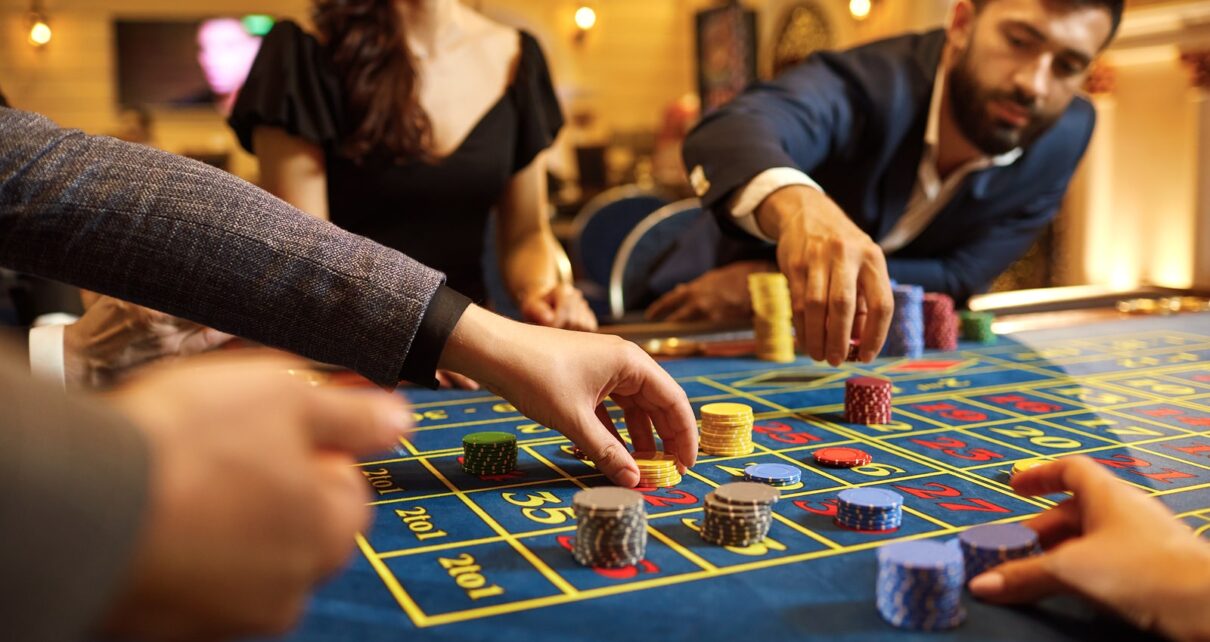
The diverse casino experiences around the world reflect a rich tapestry of cultural nuances. From the extravagant casinos of Las Vegas to the more reserved environments of European establishments, each locale offers a unique gaming culture that caters to local preferences. The social settings surrounding these venues, whether lavish or low-key, contribute significantly to the overall experience, demonstrating how deeply culture shapes attitudes towards gambling.
Moreover, casinos often become cultural landmarks that attract tourists and locals alike. In places like Monte Carlo, the casino is not just a gaming venue but also an architectural marvel that signifies luxury and prestige. This intertwining of culture and casino design exemplifies how gaming establishments can encapsulate the essence of their surroundings, becoming symbols of regional identity and pride.
As global connectivity increases, the sharing of casino experiences across cultures is more prevalent. This exchange fosters appreciation for different gaming styles and traditions, allowing players to explore new horizons while retaining their cultural identities. Understanding these contrasts enhances the appreciation of the global gambling landscape, inviting players to engage with diverse practices while embracing their unique cultural heritage.